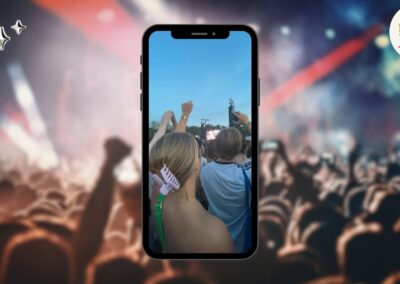
Mocking, ridicule and scorn. Fangirls have been navigating this kind of landscape for years, maybe it’s time we end the stigma surrounding these fans.
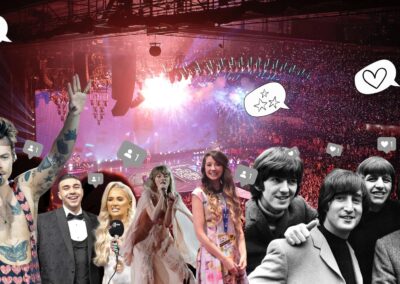
I can quite clearly remember the feeling of seeing one of my favourite artists for the first time after Covid put a stop to all concerts for some of the most prominent stages of my teen years. The thrill in my heart as the music started, the tidal wave of screams from the fans around the arena, the collective rush of pure joy as Harry Styles made his way onto the stage. He was just a tiny dot, I had to stretch up onto the tips of my toes to catch a glimpse of him in his love heart dungarees. I can’t lie, I was screaming too.
In the many years I’d loved Harry, I’d always distanced myself from the term ‘fangirl’, not believing I fit into that category. I thought I knew what the word meant; hysterical, irrational and, let’s be honest, kind of annoying.
However, according to Dr Briony Hannell, a university teacher in sociology at The University of Sheffield, my squealing and overwhelming joy put me straight into that category. She defines the term fangirl as something that “can be used in a flexible sense to refer to a certain way of visibly performing a ‘fannish’ identity, usually associated with an overly excessive display of emotion, embodied joy and it’s often associated with femininity.” A ‘fannish’ identity is essentially to feel a sense of belonging to people who share the same interest as you, as a fan.
She says “I don’t necessarily see ‘fangirl’ as something that is tied to girls and women, but it’s more about the girlishness that is often performed there through those ties to femininity.”
So, if being a fangirl doesn’t actually have any strong link to the sex of a person, then why are girls shamed for their interests when boys are celebrated for theirs?
Think of the behaviour of football fans, a stereotypically masculine interest, how is it different to fangirls’? Screaming? Check. Chanting? Check. Crying? Check. The only real difference between ‘fangirls’ and ‘fanboys’ seem to be the gender stereotypes linked to the interest (Briony Hannell).
When someone shows an interest in a stereotypically masculine object, like superheroes, they’re more readily embraced by industries. Suzanne Scott, author of ‘Fake Geek Girls’ writes that they are seen as experts in their field, they’re embraced as insiders, they’re not seen as aligning with those more feminine stereotypes that are feminised. Take, for example, Rian Johnson and his work in the recent ‘Star Wars’ films, his identity as a fanboy has been celebrated and actually gave him more authority in his industry. Can you think of any fangirl who has had a similar experience? No, Neither can I. Why is the fangirl stereotype so limiting?
When you ask someone who identifies as a ‘fangirl’ to define what it means, the answer doesn’t follow this stereotype. Fellow Harry fan, Ella Bowles is a self declared fangirl, supporting Harry all the way from Canada, “I think it’s nearly impossible for me not to become a fangirl when I really love something. I just have this way about liking stuff that makes me need to consume every bit of media about it.” She defines it as “someone who just dedicates themselves to the thing they love most completely. I think being a fangirl manifests itself in the hobbies and interests we end up pursuing, and it’s a very surface level title for a much deeper concept.” This kind of definition of fangirl isn’t uncommon for those who find themselves involved in more ‘feminine’ fandoms; the same negative connotations don’t seem to exist in these spaces according to Briony.
Fangirls are often seen to have ‘unhealthy obsessions’. Certainly, there have been instances where a fan’s love for their particular interest has caused them harm. In 2014 a 16-year-old fan’s lung apparently collapsed after she screamed too hard at a one direction concert. When she went to the doctors three days after experiencing shortness of breath at the concert, she was told air had actually leaked into her lungs according to The Journal of Emergency Medicine. Imagine that. Imagine loving something so much your lungs literally can’t take it. So yes, there are times when being a fangirl isn’t healthy, but Briony says it’s more complex than that.
“To simply say that that’s an unhealthy obsession, misses the complexity of that interest in their lives, in their social ties with others, in their sense of self, in the way they are starting to come into their adolescence, adulthood. In all circles there are people who may cross that line but to more broadly generalise is to simplify and be highly reductive about these practises and what they mean to people.”
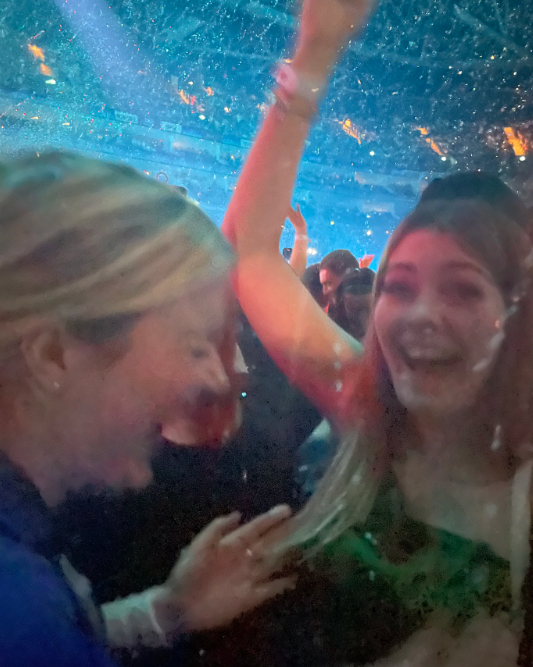
There are people who just don’t get it. Ellen Coleman, Louis Tomlinson superfan, has experienced first-hand the looks of confusion and concern from strangers and loved ones when she told them she was camping out for a concert. “The ridicule and the mocking you get for that is off the charts, you wouldn’t expect someone, even friends, to be like why are you doing that, you shouldn’t be doing that.” Many fangirls choose to camp out for their favourite artists, vying to get that prized front barrier position. You’d expect this to be like something out of a nightmare, sleep deprived girls pushing to get the best view, in fact, Ellen had a great experience camping outside Cardiff Utilita Arena to see Louis Tomlinson. “The camping experience for Louis was amazing, everyone there was so nice and they had it all planned out so everything went well. I didn’t expect camping to go so well.” Fans were camping from 3 pm the day before the concert, they even had their own organisation system sorted out. One girl was writing numbers on peoples hands correlating to their number in the queue which security honoured when allowing fans into the arena. This kind of organisation within these communities is not uncommon. It seems, fangirls just want each other to have a good time.

Briony says young girls today are encouraged to engage intensely with things, to the point where some industries see them as ‘key consumers’. There’s a lot of money to be made from the fangirl, in every industry there are products targeted towards them, they ‘raise stars and franchises into the stratosphere’.
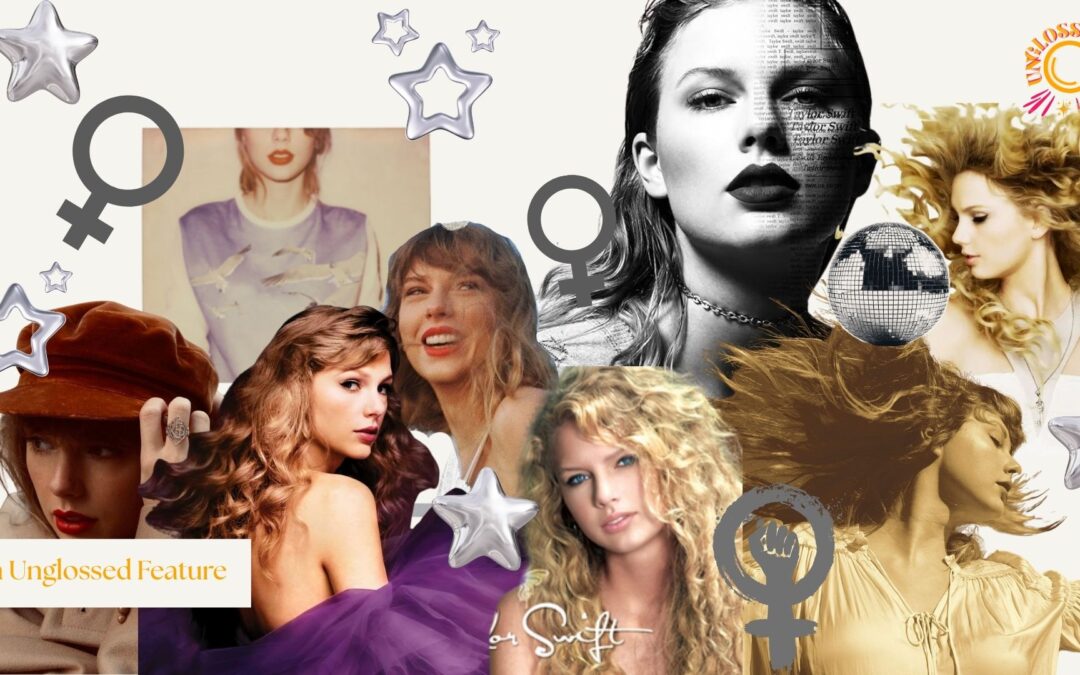
According to Time Magazine, Taylor Swift’s Eras Tour has meant cities in America are predicting a local economic boost at her arrival to their arenas thanks to these fangirls. They also reported that during the opening night in Glendale, Arizona her concert brought in more revenue for local businesses than the Super Bowl which had been held in the same stadium earlier this year.
Why then, if fangirls prop up entire industries and create stars, are they so mocked and ridiculed? It could be linked to a broader cultural pattern. Feminist scholars in the 1980s recognised that feminine interests were seen as less valuable; this is still obvious to this day, the language used to describe these interests almost always has negative connotations. Fangirls are aware of this language so, for many including myself, to be a fangirl is to feel shame. Some even use pseudonyms to remain anonymous. Briony explains how the shame felt by fangirls is similar to the shame experienced by girls in general. “On one hand they’re courted as critical consumers, on the other they are routinely stereotyped, ridiculed, mocked, derided and that’s very common amongst experiences of being a girl in general. It’s where that sense of joyfulness that can come from meeting fangirls and having those momentary lapses where they are able to be excessive and feel the joy of that is really important.”
Ultimately, the shaming of fangirls seems to have a lot in common with sexist shaming of women in general, whether we’re aware of the sexist connotations or not. If my brother can attend a football match or a Foo Fighters concert and scream, cheer and show off his excessive joy at these events, then why can’t I do the same with the things I love? Maybe it’s time we reclaim the word ‘fangirl’ and allow each other the freedom to pursue our interests without shame. I am a fangirl, and I’m all the better for it. If you give us the space to be fangirls unabashedly, then imagine what could come of it.