Ballroom and Latin dancing are more than elegant steps and dazzling costumes; they are living legacies of cultural fusion, storytelling, and social connection spanning continents and centuries.
The history of ballroom dance begins in the grand ballrooms of 16th and 17th-century Europe. Rooted in aristocratic social gatherings, dances like the waltz, foxtrot, and quickstep evolved as expressions of refinement and courtship.
These dances reflected European high society’s values, etiquette, and musical styles, and ballroom dance soon became a symbol of grace, discipline, and social status.
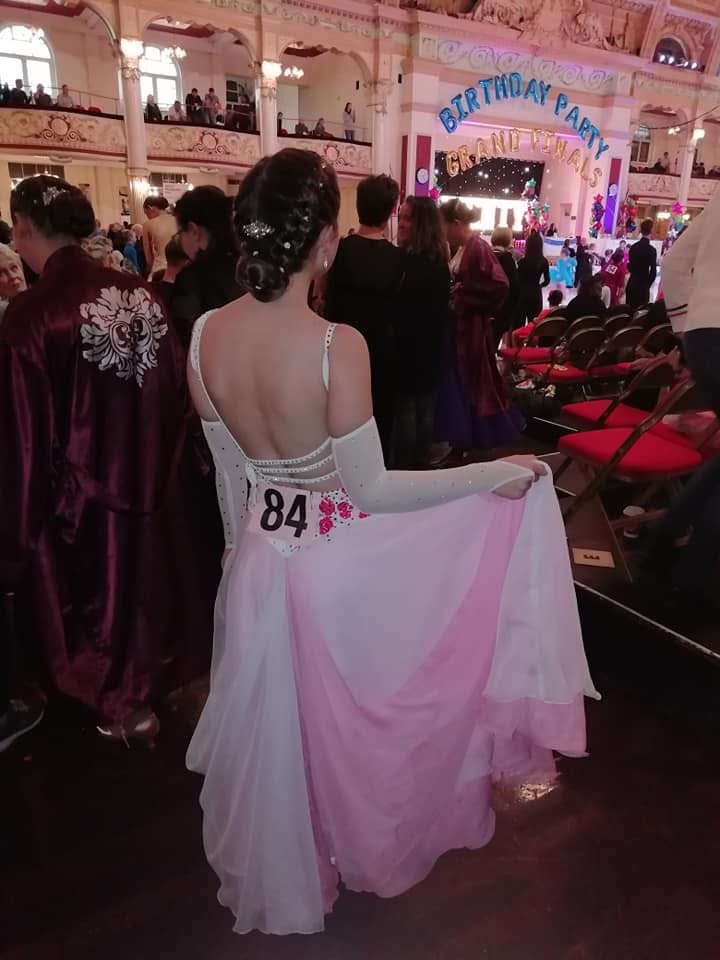
Ballroom and Latin dance teacher, Danielle Moorhouse, shares her deep connection with the art: “I love ballroom dancing. I have done it since I was 3; it’s part and parcel of my life. I don’t think I would be the same without it.”
She adds insight into the modern-day popularity of ballroom dance: “Popularity has definitely increased since Strictly Come Dancing.
“People come expecting lots of trotting around and fancy cape wafting, but it’s a bit trickier than that, especially without one-on-one time with a professional. Still, I think the show has definitely opened people’s eyes to what ballroom dancing really is.”
Yet, behind the poised façades and formal steps lies a dynamic story of cultural exchange and evolution.
As colonialism and migration spread European culture globally, ballroom dance transformed, absorbing influences from diverse peoples and regions and enriching its rhythms and styles.
Parallel to the ballroom’s European origins, Latin dance pulses with the heartbeat of the Americas. Rooted in indigenous, African, and European traditions, Latin dances like salsa, rumba, samba, and cha-cha tell stories of identity, resistance, and celebration.
These dances emerged in the Caribbean and Latin America as vibrant forms of expression for enslaved peoples and Indigenous communities, blending rhythms, gestures, and narratives that honoured heritage while forging new cultural identities.
READ MORE:
- Bollywood: “I feel the most alive I will ever feel when I’m dancing”
- The woman who founded World of Love Festival
Salsa, for instance, was born in the streets of New York City, blending Afro-Cuban rhythms with jazz and other influences. Its infectious beats and intricate footwork embody resilience and joy while fostering community and cultural pride.
Latin dances have always been deeply social spaces where communities gather, connect, and communicate without words. Their sensual movements, spirited energy, and improvisational flair celebrate freedom and emotional expression.
Reflecting on dance’s social and health benefits, Karen, a dance mum, explains, “I think ballroom dancing is great for fitness, exercise, and memory. Plus, it’s just nice to do something enjoyable with friends, moving to music together.”
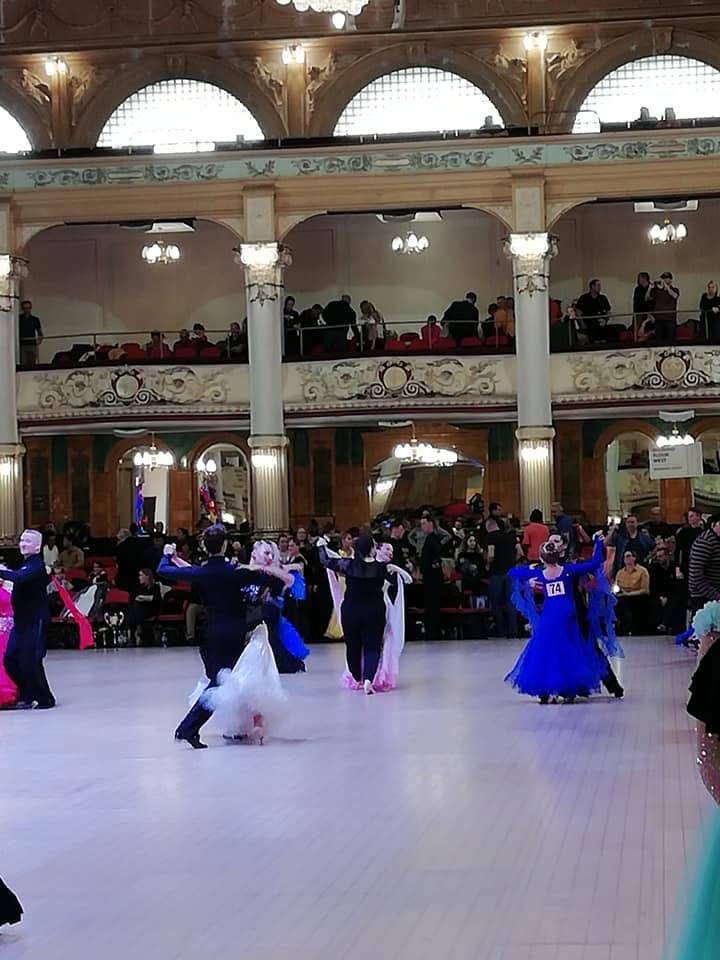
In contemporary times, ballroom and Latin dancing continue to thrive worldwide. Competitive dance floors dazzle with polished performances, while social dance halls keep the communal spirit and cultural roots alive.
Today, dancers and enthusiasts recognize ballroom and Latin dance as more than entertainment; they are cultural treasures that honour history, heritage, and the power of movement to unite diverse peoples.
So next time you watch a waltz glide or a salsa spin, remember that you’re witnessing centuries of cultural storytelling, resilience, and joy passed down through generations.
Dancing is not just an art; it’s a living, breathing legacy of the human spirit.