
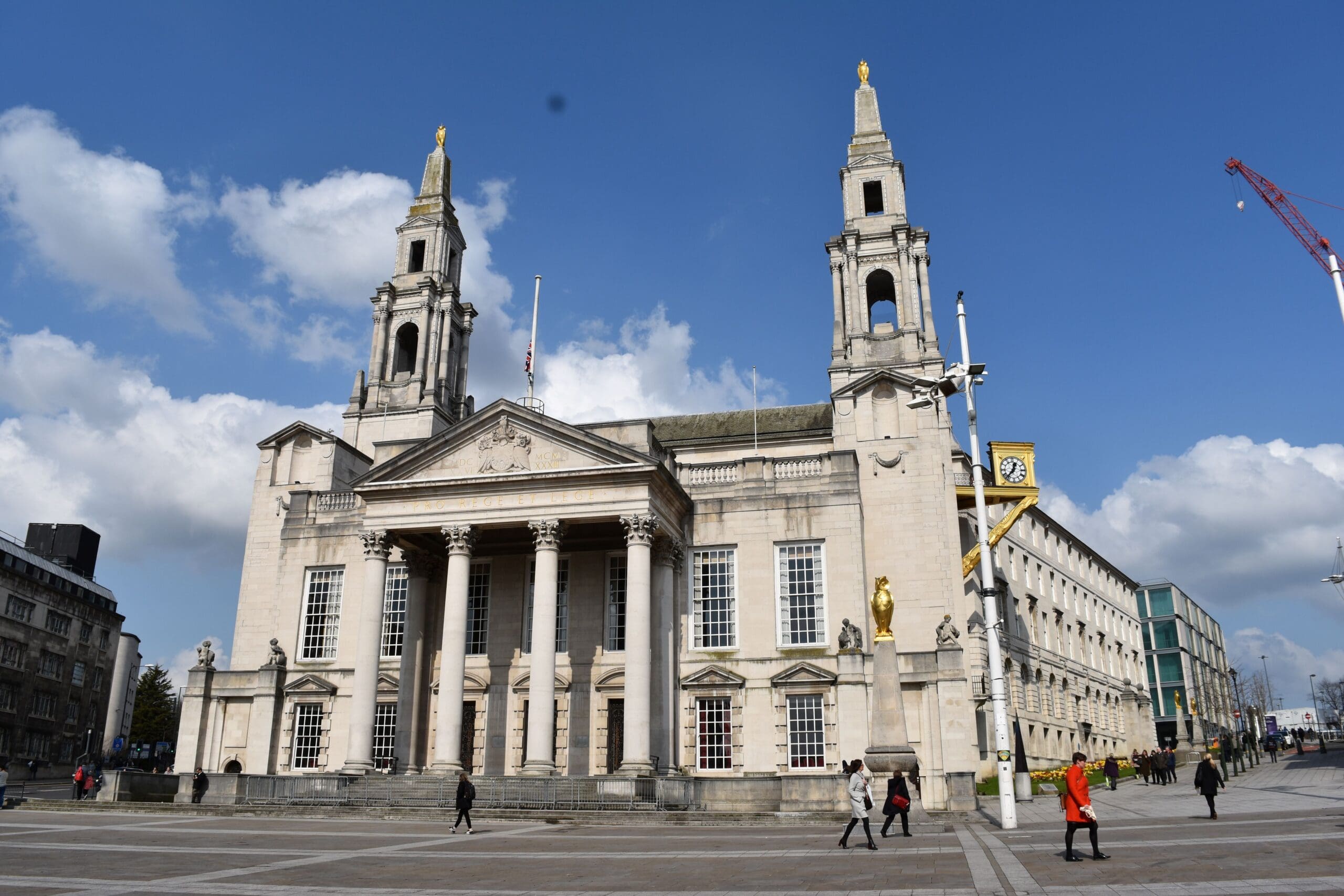
Councils in Yorkshire have issued bleak warnings about the current state of their finances.
Latest figures found Leeds City Council’s forecast deficit for 2025/26 was up by more than £10million between August and September.
North Yorkshire Council has said it could be facing a total deficit of more than £30m by 2028.
Dr Jason Lowther, Director of the Institute of Local Government Studies at the University of Birmingham, said part of the problem is that there are more people councils need to provide services for.
“The population of England has grown by about 5% in the eight years to 2024.
“That increases the user services, but also the more complex services are getting even bigger increases.”
Over the eight years, the use of temporary accommodations has nearly doubled, going up by 84%.
The number of children looked after increased by 19%, as well as big increases in pupils with special educational needs and adult social care
Leeds City Council has launched a recruitment freeze in the face of nearly £40million in budget over-spending.
In North Yorkshire, the loss of rural services grants and changes to employer National Insurance contributions have led to a £22million loss of funding.
Dr Lowther said that council budgets have been on ‘a bit of a rollercoaster’ in the last 15 years.
“The main issue being they haven’t kept in touch with inflation.
“In the peak of austerity from 2010 to 2015, council budgets went down per person by nearly a third – about 29%.
“That carried on falling, but not as rapidly.
“Over the following eight years, it fell by about 1% per person.”
He added that from 2023-25, spending power per person rose by about 7%, but is ‘nowhere near’ the budgets they had during the 2010s.
Most councils will protect statutory services, which they have to provide by law, when cutting spending.
These include child protection, temporary accommodation for homeless people, special educational needs and adult social care.
Discretionary services, such as libraries, parks and leisure centres, often bear the brunt of cuts.
There are also problems with the way council budgets are organised.
Dr Lowther said: “They’re quite inflexible – they’ve been given one-year budgets; they’ve been given a tightly ring-fenced budget so they can only spend them on certain things.
“They also have council tax, which isn’t very well organised, it’s very outdated.
“England is very strange as a democracy in the very limited amount of money that local government actually can raise locally.
“We’re very centralized, and the council tax system is very outdated.
Current council tax rates are based on house valuations in 1991.
“There’s a very limited variation in the rates, so the percent of your value that you pay in council tax is higher if you’re in a small house than if you’re in a really expensive house.
“In that sense, it’s a regressive tax.”
He added that the government should look to other countries to give councils a wider range of income streams.
These include giving a proportion of a national tax to local authorities, a sales tax or a tourist levy.
But he warned that councils will continue to face budget pressures in the future.
“I think we are likely to see more councils filing for bankruptcy.”
“The Local Government Information Unit did a survey this year and 6% of councils said that they faced issuing a Section 114 notice, and 35% in the next five years.
“If that last figure is true, that’s over 100 councils declaring bankruptcy by 2030.”
A Section 114 notice is issued by a council when spending is likely to exceed its income or there is no prospect of balancing its budget for the next financial year.
This means all non-essential new spending is halted.
In Leeds, a report on revenue savings proposals up to 2028/29 was presented to councillors on 19 November.
Council leaders in North Yorkshire have called for more support from central government.