
Autism assistance dogs, such as the ones provided by Support Dogs, can help autistic children in a variety of ways.
Autistic people face many challenges in navigating the world, such as emotional dysregulation and alternative sensory processing.
Leah Booker, psychotherapist and founder of Free to Be You, a service for neurodivergent individuals, said: “There are lots of things that can trigger sensory overwhelm or emotional overload in autistic adults and children – loud noises, bright lights, and especially last-minute changes.
“When something shifts unexpectedly in the routine, they often don’t know how to cope with it. That’s when shutdowns can happen, because they’re not processing the situation in the same way as others.”
Circumstances, including positive ones, can prompt overwhelm, especially as their system is already running on high alert.
Ruby Willows is a counsellor who specialises in ADHD and autism, aiming to build confidence, help people understand their symptoms and manage anxieties.

They said: “Being out means putting yourself in a situation where we are interpreting other people’s expressions and feeling the pressure to mask. This is tiring and adds to the risk of overload. It’s not that you won’t regulate, it’s that you can’t at that moment.”
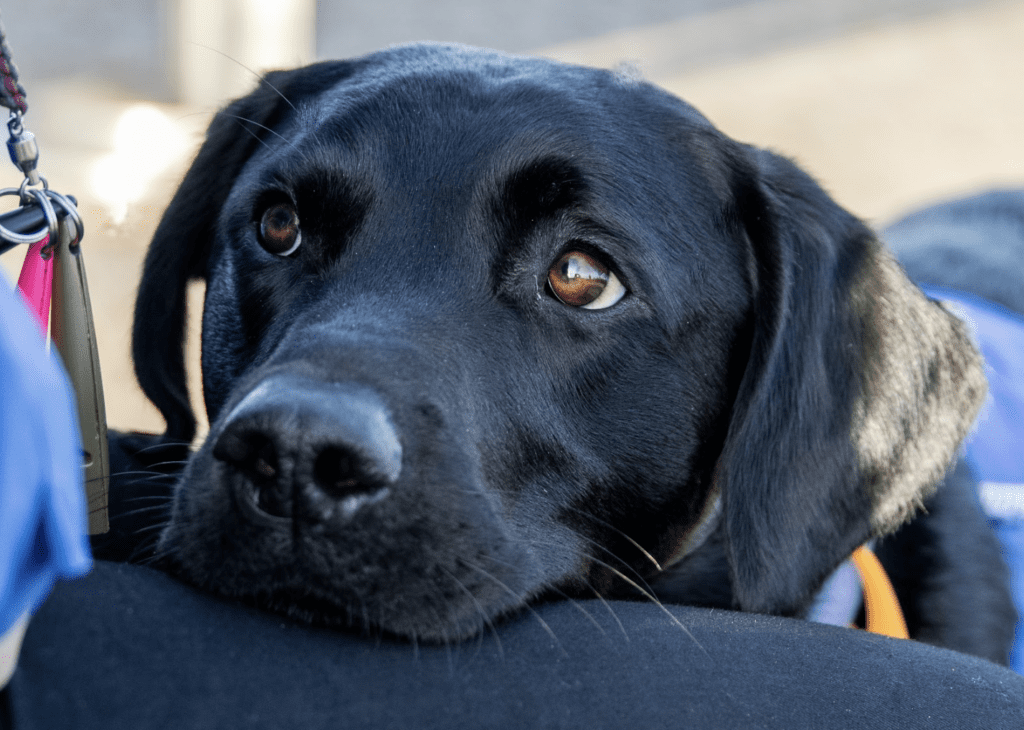
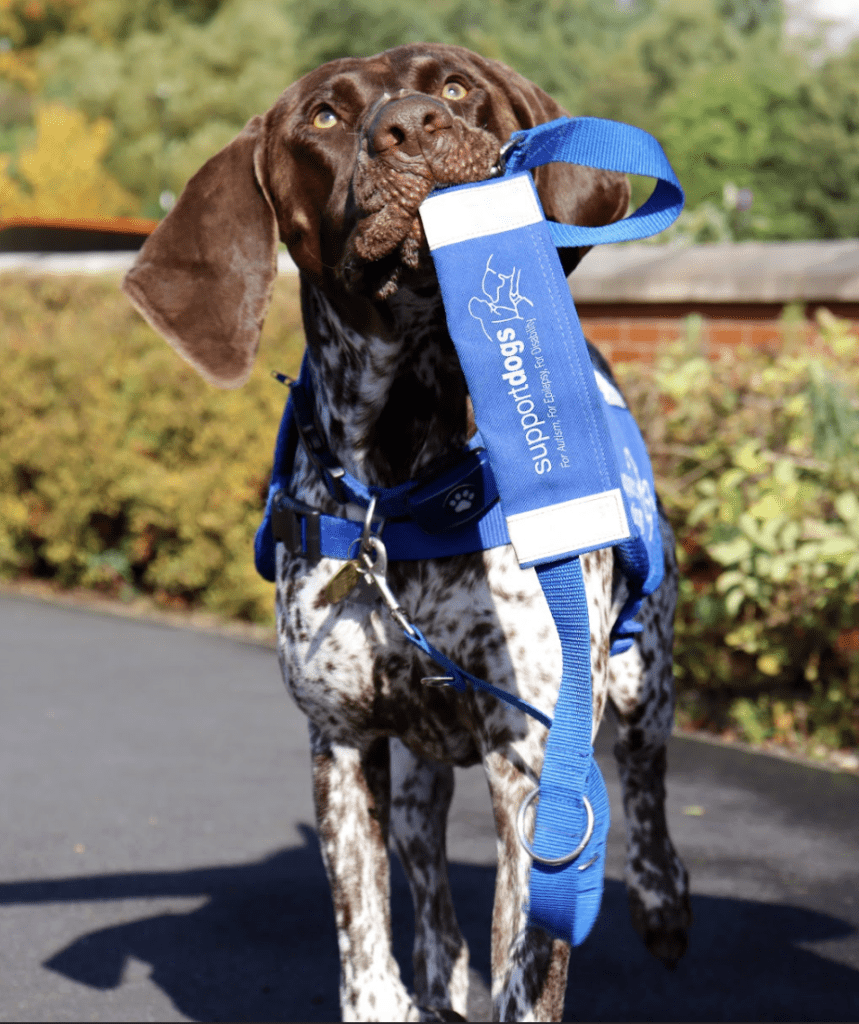
According to Support Dogs, autism assistance dogs are trained to provide emotional and physical support to facilitate a more independent and socially inclusive life for both the child and their family.
Physically, the weight and steady presence of an assistance dog can also have a regulating effect on the nervous system.
By lying against the person and providing deep-touch compression, the dog offers grounding sensory input that helps shift the body out of an acute stress state and into a more settled one.
They are also trained to keep their owners safe, including preventing bolting into the road – a common trait among autistic children.
With lived experience of autism, Ruby understands the importance of practical tools, such as assistance dogs, in offering support and understanding.
Mx Willows said: “Self-soothing isn’t always accessible, and this is when individuals might need the aid of a weighted blanket or support animal, which can stimulate the same effect as one, staying with you.”
They added: “Support dogs can introduce an all-important calmness and unconditional acceptance, they love and see you just as you are, massively supporting regulation. You know where you stand with them. This alone can be part of the healing process.
“For those of us who take things quite literally, with dogs, you don’t have the concern of getting the wrong idea. For someone who’s trying to decode human interaction, that clarity can be such a relief. You can just be.”
Support Dogs revealed that last year, over 4,000 applications were made for therapy dogs for autistic children, but only 1 in 70 were able to receive one, adding to the growing waitlist.
The 360-wire backed campaign aims to tackle this issue by fundraising £1000 for 10 autistic children to meet their support dog for the first time and to secure 15 sponsors for autism assistance dog Peggy.
Leah Booker added: “In many cases, autistic individuals can feel much safer with animals than with people because they provide a form of predictable, non-judgmental companionship. In particular, the non-verbal connection that the dogs provide is a massive help.
“When a child or adult is experiencing sensory overload, they can’t always articulate what they are going through, and sometimes they don’t want to have to. Dogs give a level of understanding that is both necessary and extremely comforting.”
The dog builds trust with an individual, which allows them to participate in the world on their own terms.
Mx Willows said: “The bond between a person and their support dog is built on understanding, not expectation, and that can change everything.
“I have found that support dogs can be the glue enabling clients to get out of the house.”
For updates and information on how to support the campaign, visit here.