
The Neurodiversity & Entrepreneurship Association have launched a 12-month initiative called ThriveND, which aims to create an inclusive business support network for neurodivergent entrepreneurs and self-employed individuals across West Yorkshire.
Neurodivergent people, including those with autism, ADHD, dyslexia and dyspraxia among other cognitive differences are significantly more likely to opt for self-employment due to a lack of tailored support in traditional workplaces.
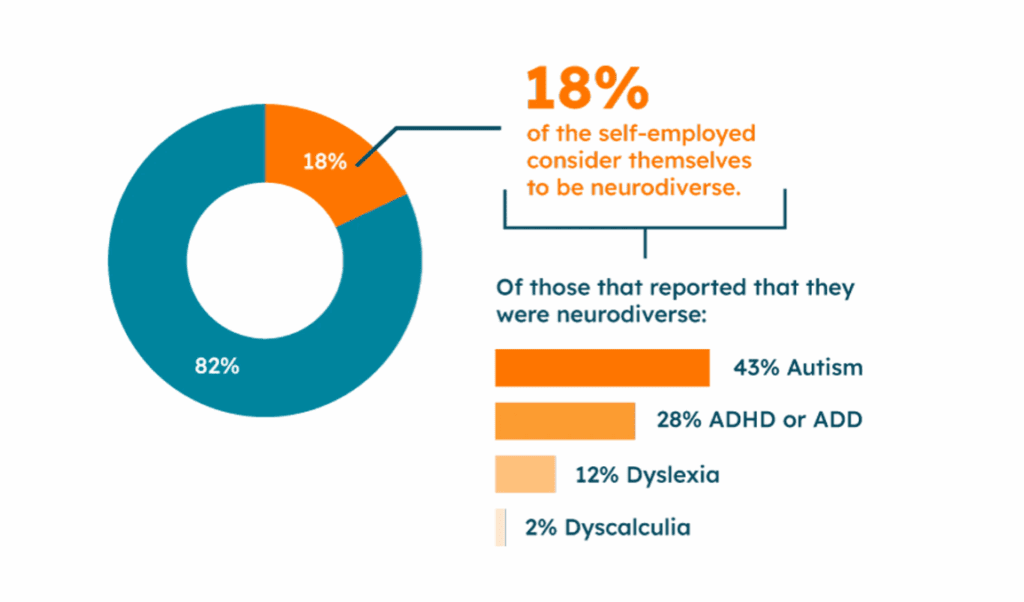
With many neurodivergent individuals facing barriers such as perfectionism, rejection sensitivity, or cognitive overload depending on their diagnosis, an estimated 18% of self-employed individuals are neurodivergent, favouring more flexible workload management.
Rob Edwards, the Founder and CEO of the Neurodiversity & Entrepreneurship Association, who himself received a diagnosis of ADHD nine years ago, said: “We look at things like managing neurodivergent overwhelm and approaching your workload, which with a different neurotype can be quite challenging.
“Especially like with my ADHD, I’ve got a hundred thousand spinning plates whizzing around my head all the time, to get that tied down to getting stuff done is really useful.”

The project, which is funded by the West Yorkshire Combined Authority as part of its Inclusive Growth initiative, consists of two key components.
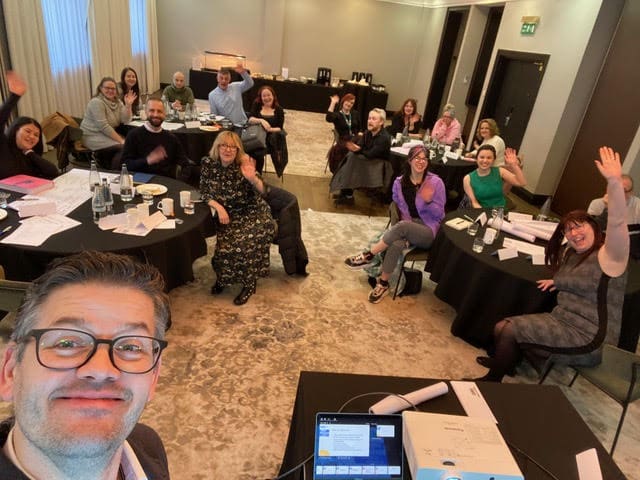
It includes monthly meetups where neurodivergent founders can collaborate, share ideas and network in a sensory-considerate space, alongside eight skills workshops covering techniques to manage the difficulties that can come with being a neurodivergent entrepreneur.
He added: “A lot of the people we work with have had heightened levels of perfectionism, imposter syndrome and rejection sensitivity stemming way back from feeling like they weren’t enough through school all the way through to uni and work.
“So it’s more nuanced than a lot of business support programmes out there and it creates a safe space for people to share.”
Mr Edwards, who became self-employed in 2014, founded the NEA in 2023 after struggling to find an organisation that bridged the gap between entrepreneurship and neurodivergence.
The NEA’s new programme, ThriveND, aims to provide a space for entrepreneurs and prospective founders to not have to mask, a term used for concealing or suppressing neurodivergent traits in schools or workplaces in order to appear neurotypical.
Masking can make it difficult for neurodivergent individuals to manage their energy levels, leaving some people feeling exhausted after a full day of work in a traditional office setting.
Mr Edwards said: “We’ve got a lot of amazingly creative people who just want to carve their own path and have something that’s really flexible, that fits in with their energy levels.
“Many haven’t been able to fit into an organisational context, which means a big percentage of people hurl themselves into self-employment because they think they’re unemployable – which isn’t the case.
“A lot of people will feel it’s a fault in themselves when actually it’s the organisational structure for not having that support in place. They’re trying their best in circumstances that are just not built for them.”
The programme highlights that neurodivergent individuals often possess a wide range of distinctive strengths to bring to entrepreneurship depending on their neurotype, such as hyperfocus, a common trait in autism and ADHD allowing individuals to carry out tasks in a fraction of the time it would take someone neurotypical.
However, Mr Edwards says too many businesses are missing out on the traits neurodivergent individuals have to offer, he said: “In addition to being amazingly creative and resilient, if you manage to give neurodivergent people work that aligns with what they’re passionate about, you won’t find more loyal people who will look for all sorts of different avenues to problems in that area.
“But in a lot of cases organisations are losing these people because they think it’s too much effort, too much money, too many resources. But if we flip that and start from the advantages of employing neurodivergent people, it’s what we need, lateral thinkers who spot those gaps other people won’t.”
The project will be led by Mr Edwards, alongside the NEA’s Head of Coaching, Claire Butcher, who specialises in inclusive learning design.
Having completed the pilot scheme for the programme in 2023 with 20 neurodivergent founders, spots to take part in the 12 month course are now open, with priority given to those based in West Yorkshire.
Mr Edwards added: “We’ve got people who’ve got hundreds of ideas whizzing around their head at any one time. If you can harness that and make it as low anxiety and as supportive an environment as possible and let them fly, then it’s really exciting.
“I’d like to see it get a bit of headspeed now. We’re in a space where we’ve got a lot of economic challenges so we need these innovative people, and to do that we need to provide a community, a framework and a structure that is really supportive and nurturing.”